

Course Title: Student-centered classroom for 21st-Century Learning
Location: Nice, France
Duration: 5+1 days (27.07.2026 – 01.08.2026)
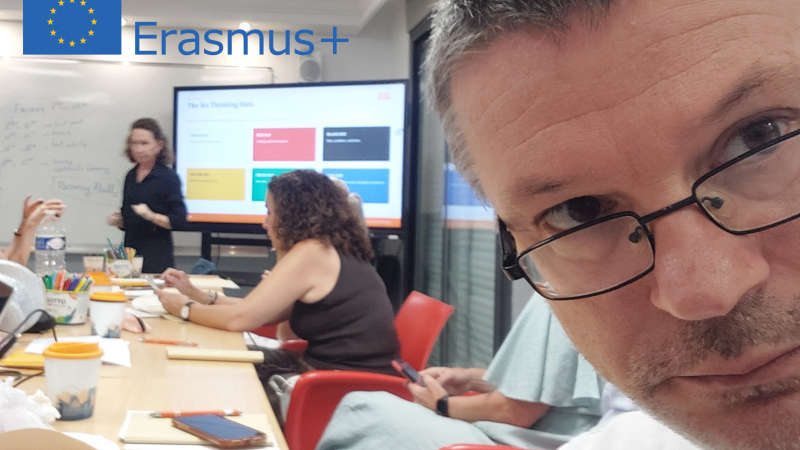
The first day of the course was dedicated to mutual introduction and conceptual grounding. After the presentations of the international participants and the host institution, the atmosphere relaxed quickly through interactive icebreaker games, giving us the opportunity to get to know each other's schools. In the professional block, we examined the theoretical background of competence-based education and student-centered learning, as well as the practical use of assessment rubrics.
The afternoon was already dedicated to the cultural program: together, we explored the fascinating Old Town of Nice (Vieux Nice). The narrow, pastel-colored streets, the baroque churches, and the bustling flower market of Cours Saleya provided the perfect backdrop to chat with foreign colleagues in a more informal way, while absorbing the South-French lifestyle.
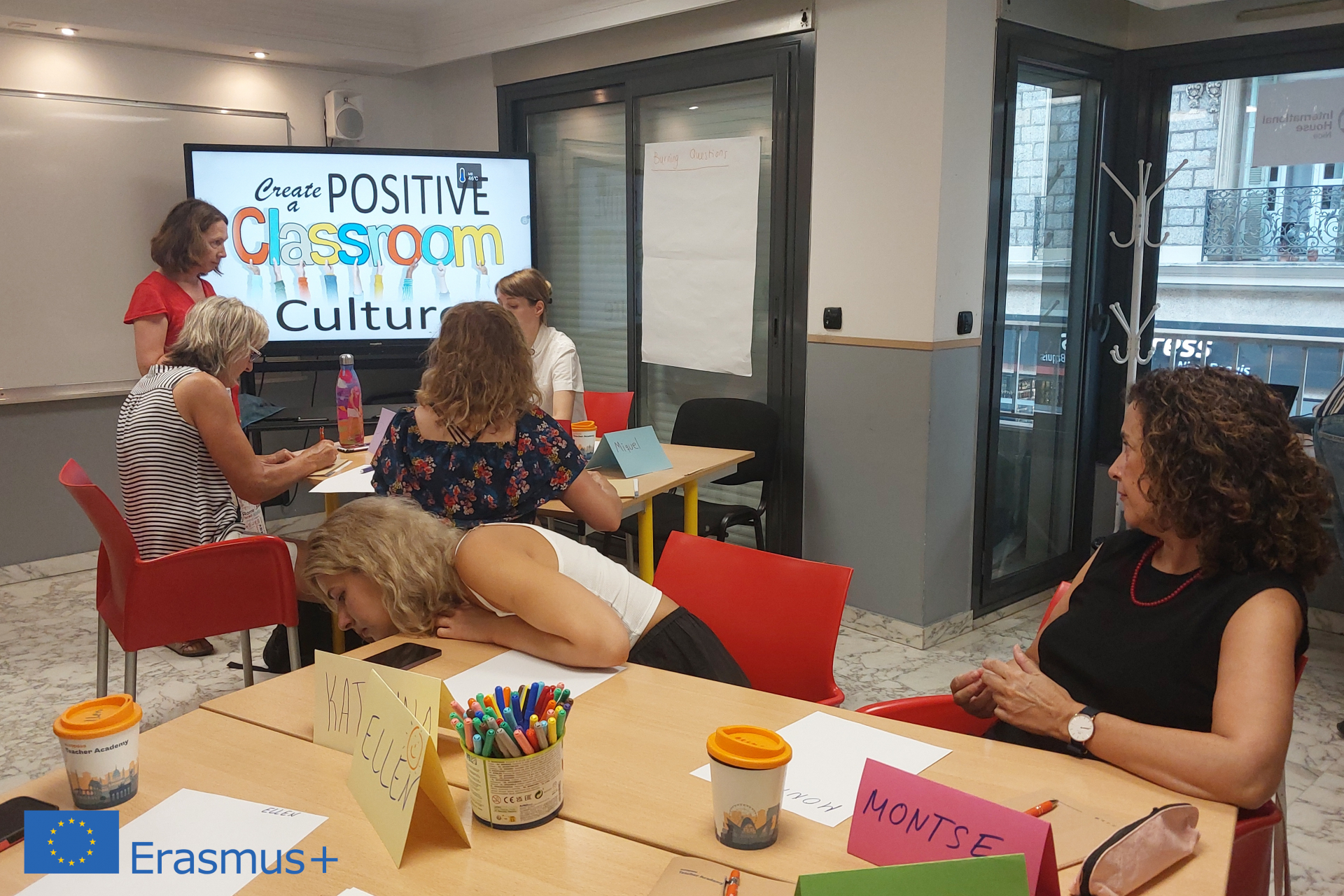
The focus of the second day was Project-based Learning (PBL). We reviewed the greatest advantages of this methodology, with a special emphasis on how it develops critical thinking and creativity. We understood that in this system, the traditional lecturing role of the educator transforms: the teacher becomes much more of a facilitator, mentor, and process guide. At the end of the day, during a productive brainstorming session, we outlined project plans tailored to our own school environments.
Wednesday was all about digital pedagogy. As a starting point, we used the SAMR model, which helps raise awareness of how technology can elevate the learning experience to a higher level. We weighed the pros and cons of blended learning and flipped classroom models. As the most practical part of the day, we independently designed a flipped classroom lesson plan, combining individual digital preparation at home with active, hands-on work during school hours.
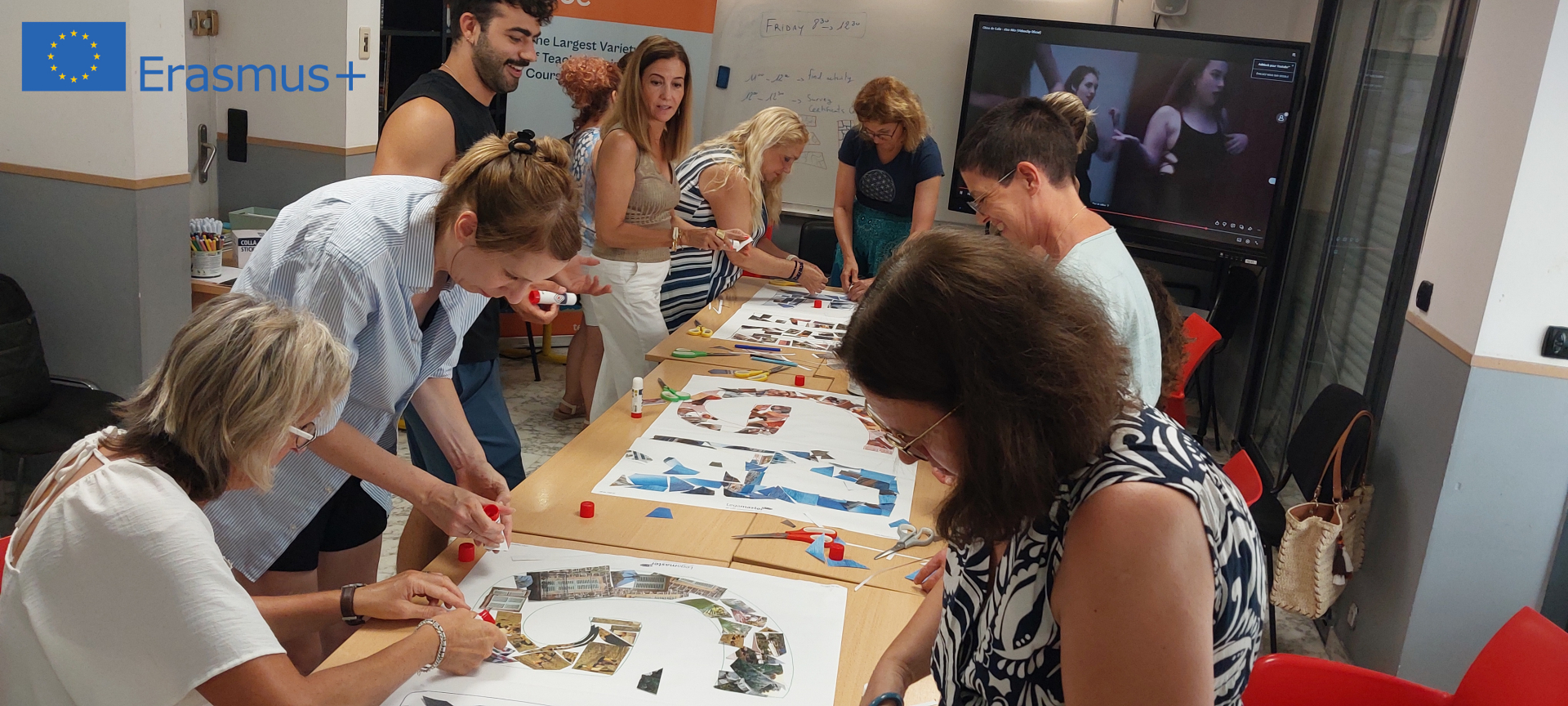
On the fourth day, we immersed ourselves in the methodology of teamwork and collaboration. We clarified the rules of collaborative learning to avoid typical group work pitfalls. We learned creative and conscious grouping techniques, and placed great emphasis on the process of reflection and debriefing, which truly deepens the cooperation skills of students.
On the final day, we got acquainted with the 5-step model of Design Thinking. In an intensive mini-workshop, we looked for innovative solutions to real educational problems. The professional program concluded with the course evaluation and the formal presentation of the Certificates of Attendance.
As a worthy crown to the training, we participated in an unforgettable cultural program in the afternoon: a boat cruise in the beautiful bays of the French Riviera (Côte d'Azur). From the sea, we could admire the coastal cliffs, luxury villas, and turquoise water. This boat trip was a wonderful conclusion to the week, where, alongside professional success, we gained lifelong experiences and international friendships.