

Report on the Erasmus Training Course “NEUROSCIENCE: UNDERSTAND HOW YOUR STUDENTS LEARN”
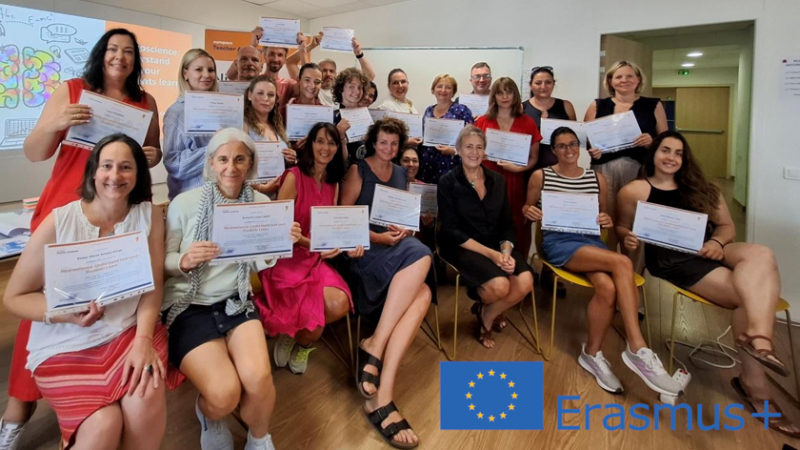
My participation in the Erasmus training course “NEUROSCIENCE: UNDERSTAND HOW YOUR STUDENTS LEARN” was a very valuable experience for me, both professionally and personally. The main topics of the course were “Learning and Neuroscience” and “The Relationship Between Brain Functioning and Human Behavior”. During the training, we explored in greater depth how the brain and nervous system function. We learned about brain waves, executive functions, neuromyths, attention, motivation, different types of memory, neuroplasticity, neurodiversity, and many other fascinating aspects of learning and brain functioning.
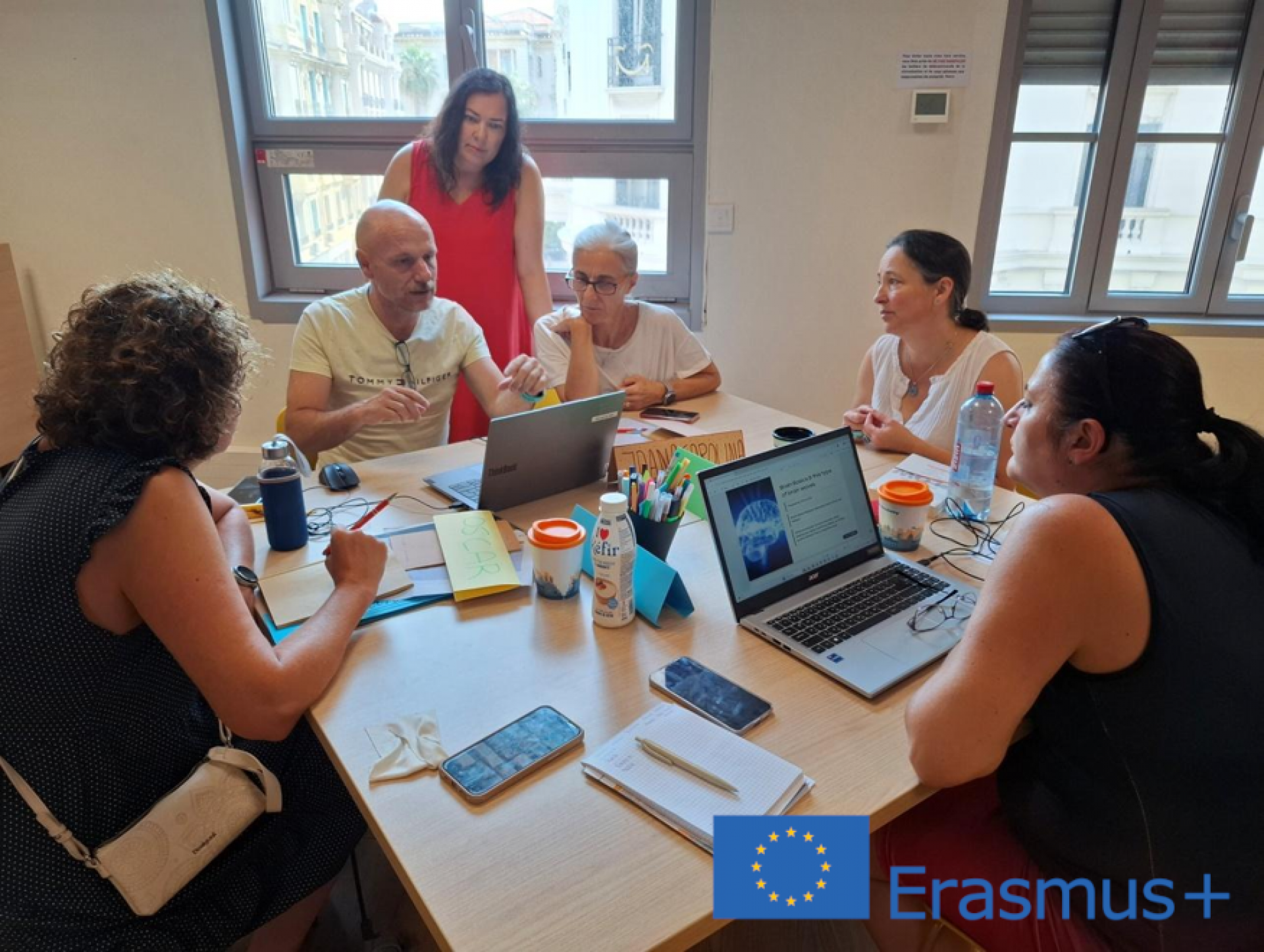
I found it particularly useful that the course provided us not only with theoretical knowledge but also with insights into recent research findings, which were truly inspiring. The training reinforced my conviction that maintaining students’ attention, fostering their motivation, creating an appropriate learning environment, and understanding how information is processed all play an important role in making the learning process effective. It also highlighted the importance of creating learning experiences that take into account the specific characteristics of how the brain functions.
Another significant value of the course was the opportunity to be part of an international community. I had the chance to meet colleagues from several countries, and it was encouraging to discover that, although we work in different countries and educational systems, we face many similar questions and challenges in our daily professional practice. I particularly value the new professional relationships established during the training, as they may provide opportunities for exchanging experiences, collaborating, and sharing ideas in the future.
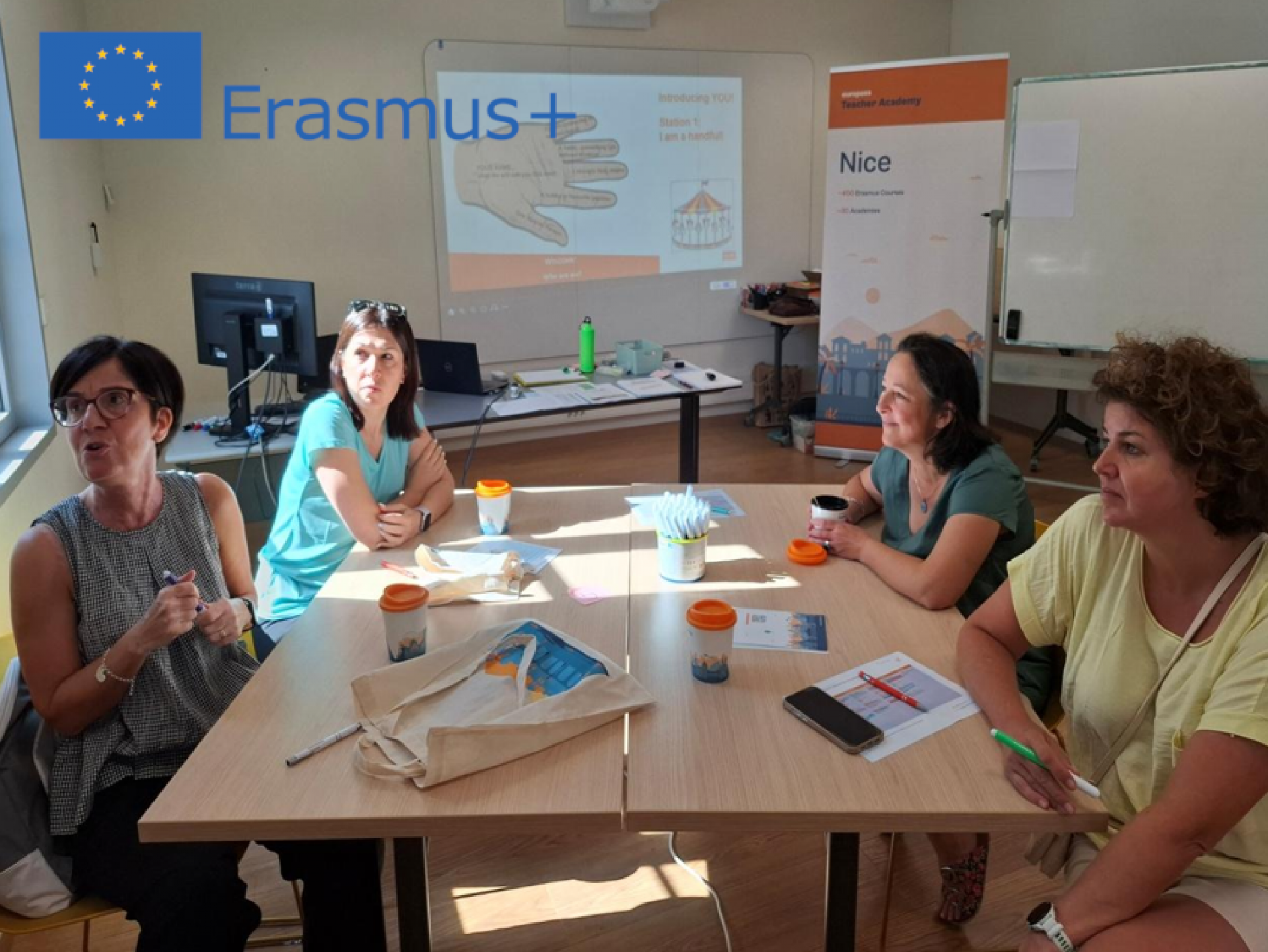
The training course took place in Nice, France, which made the entire program even more special. Alongside learning and professional development, the organizers of this course also made sure that we had the opportunity to discover a beautiful city and its surrounding area. The city tour and the boat trip offered enjoyable moments of relaxation and allowed us to interact and talk to one another in a more informal setting. As a result, the training provided not only professional enrichment but also a memorable cultural experience.
Overall, the Erasmus training course “NEUROSCIENCE: UNDERSTAND HOW YOUR STUDENTS LEARN” was much more than a professional development course for me. It was a source of inspiration, an opportunity to prevent professional burnout, a valuable cultural experience, and a chance to become part of an international community.
I am deeply grateful to my colleagues, Dr György Géza, Katalin Kolozsvári, and Julianna Bodor, and I would like to express my sincere thanks to them for their work and dedication, which made this experience possible for me.